Showing posts with label Wai Lana Yoga. Show all posts

Friday, October 30, 2009

Breast cancer

I know two people who've had breast cancer. The other one has moved on, and the other is recovering. Going Wai lana green


You cannot control some things that put you at risk for breast cancer, such as your age and being female. But you can make personal choices that lower your risk of breast cancer. If you are at high risk for getting breast cancer, your doctor may also offer you certain medical treatments that can help prevent breast cancer.

Female hormones

Hormones change the way cells within the breast grow and divide. The years when you have a menstrual cycle are your high-estrogen years. Experts think that the longer you have higher estrogen, the more risk you have for breast cancer.4 This includes taking hormones after menopause.1, 26

* Avoid long-term, high-dose hormones after menopause. If you use hormone therapy for menopause symptoms, use a low dose for as short a time as possible. This includes estrogen-progestin and estrogen-testosterone.1, 3 Using estrogen by itself may slightly raise breast cancer risk.1
* Breast-feed. Breast-feeding may lower your breast cancer risk. The benefit appears to be greatest in women who breast-fed for longer than 12 months or who breast-fed several children.27
* Strive for a healthy weight. Extra fat cells make extra estrogen, which raises your breast cancer risk.4 Getting regular exercise and watching what you eat can help.

Having a full-term pregnancy before age 30 also lowers your breast cancer risk.10

Healthy food and exercise

* Eat a healthy diet with plenty of fruits, vegetables, and whole grains. A low-fat diet with limited red meat may lower your breast cancer risk.28, 29, 30
* Be active. Try to do at least 2½ hours a week of moderate exercise. One way to do this is to be active 30 minutes a day, at least 5 days a week.5, 31 Staying active may lower your breast cancer risk.32
* Drink no more than one alcoholic drink a day.4 Using alcohol leads to extra estrogen in the body, which raises your breast cancer risk.10

"Anti-estrogen" medicine

If you are at high risk for breast cancer, talk to your doctor about taking medicine that helps prevent it. This is sometimes called hormone therapy for breast cancer. It blocks the effects of hormones on breast cancer cells.

* Tamoxifen is a medicine that blocks the effect of estrogen on breast cancer cells and normal breast cells. Among high-risk women, tamoxifen lowers their risk of breast cancer about the same as raloxifene does.33 But this medicine may also increase other risks, such as for endometrial cancer, stroke, and blood clots in veins and in the lungs.
* Raloxifene is widely used to prevent and treat osteoporosis. It works like estrogen on bone, but it works like an "anti-estrogen" on breast tissue.34 Among high-risk women, raloxifene lowers their breast cancer risk about the same as tamoxifen does. Compared to tamoxifen, raloxifene's endometrial cancer risk is lower.33

The U.S. Food and Drug Administration (FDA) has approved raloxifene for use in reducing the risk of breast cancer in postmenopausal women who have osteoporosis. The FDA has also approved raloxifene for use in postmenopausal women at high risk for breast cancer.
If you are at high risk for breast cancer

If you are concerned that you may have an increased risk of developing breast cancer, talk with your doctor about whether you should take tamoxifen or raloxifene to prevent breast cancer. It is important to consider both their benefits and risks.

If you have a strong family history of early breast cancer or breast and ovarian cancer, talk to your doctor about BRCA testing. For more information, see:

Click here to view a Decision Point. Should I have a gene test for breast cancer?
Click here to view a Decision Point. What should I do if I'm at high risk for breast cancer?

Surgery to remove the breasts. Some women with a strong family history of breast cancer decide to have surgery to remove their breasts. This called a preventive or prophylactic mastectomy. It reduces the risk of developing breast cancer by approximately 90% in women who have a strong family history of breast cancer. A cancer risk assessment, genetic test, and psychological counseling are recommended for women who may be considering this treatment option.35

Surgery to remove the ovaries. Genetic mutations (called BRCA1 or BRCA2 gene changes) raise the risk of both breast cancer and ovarian cancer. Hormones made by the ovaries increase the risk of breast cancer. Removal of the ovaries (prophylactic oophorectomy) reduces the risk of breast or ovarian cancer in women with a genetic mutation. Such a decision is best made after a cancer risk assessment, genetic test, and counseling.36


Do some yoga exercises to help balance the hormones too. It's a great feeling way to prevent cancer or make you feel better if you already have cancer

Sunday, October 18, 2009

Exercise for diabetes

My aunt was diagnosed with diabetes sometime recently. I think that it was somewhat unexpected. I've been researching about it a bit. I copied one of the articles I found informative below. I got her Wailana's yoga dvds. I know yoga helps people get healthy again, so I think this will help her get back to exercising.

Diabetes Plus Stress Can Equal High Blood Sugar

For most people, stress is simply annoying or unpleasant; for people with diabetes, it can have a direct impact on health. Stress hormones can cause blood sugar to rise and you may need more insulin or other medications to control blood sugar when you are under stress (being sick or physically injured can also do the same).

Your response to stress, however, can exacerbate the problem. If you skip meals, neglect exercise, or tend to eat poorly, your blood sugar may become too high or too low.

"There is a myth out there that it's all about food as to why the blood sugar rises," says Richard Hellman, MD, former president of the American Association of Clinical Endocrinologists. The truth is that other factors play a role, he explains, including stress.

For example, if you're a schoolteacher who takes insulin at breakfast, a morning meeting with a difficult co-worker can affect the insulin's ability to control your blood sugar.

"That person will have, in many cases, a higher than normal glucose level at that time. Only part of it is due to what they ate," Dr. Hellman says. "(Another) part of it is due to the fact that their hormones are churning out adrenaline and other stress hormones."

If you're under stress, you may need to take more insulin to correct for extra-high blood sugar, or less if you change your behavior.

Stress can also affect lifestyle
While stress can cause blood sugar to go up it can also cause people to skip a workout or make poor food choices, notes Susan Guzman, PhD, senior psychologist with the Behavioral Diabetes Institute in San Diego.

"I think the bigger problem with stress is that you stop making time for exercise, you stop making time to test your blood sugar regularly, you stop making time for meal planning," Guzman says.

The best way to break that cycle, she explains, is to get back on track with your diabetes care—even if it's taking small steps, such as a 15-minute walk in the middle of the day.

Even if you're stressed and on a deadline crunch, it's not the time to "run to Denny's or to run to McDonald's," she says.

Guzman, who teaches a class on diabetes and depression, says being part of a group also helps alleviate anxiety for some people. "Just having a place to come and talk and feel supported and to know you're not alone in what you're feeling is so therapeutic," she says.


It's also a good reason to do yoga meditation with Wai Lana- as yoga meditation is one of the best, if not the best way to relieve stress.

Friday, October 16, 2009

Helpful tips for caring for someone with flu

Now that one of the kids are sick, I've been using Wai Lana's daydream cd to keep them from feeling too sorry for themselves. I also found this article about how to take care of someone with flu very useful:

Red Cross Offers Important Tips for Caring for Someone With the Flu
WASHINGTON, Oct. 15 /PRNewswire-USNewswire/ -- With the Centers for Disease
Control and Prevention (CDC) reporting that the H1N1 (swine flu) virus has now
spread throughout the United States, the American Red Cross has a set of tips
for people who are sick or are taking care of someone who has the flu


Flu viruses spread from person to person in droplets of coughs or sneezes, and
can also spread if a person touches droplets on another person or object and
then touches their own mouth or nose before washing their hands. To prevent
the spread of the flu, it is important to remember to wash your hands and
cover your cough or sneeze.


"It's important to know what to do to protect yourself and others when you are
taking care of someone who has the flu," said Sharon Stanley, chief nurse and
director, Red Cross Disaster Health and Mental Health Services. Recent survey
results conducted by the Red Cross reveal that six in ten Americans feel that
they need more information about how to care for someone with the flu*. The
following tips can be helpful:


If you are ill:
-- Stay in a room separate from common areas of the home and avoid
contact with others as much as possible.
-- Stay at home for at least 24 hours after their fever is gone without
using medicine to reduce the fever.
-- Get lots of rest and drink plenty of fluids.
-- Consider wearing a facemask, if available and tolerable, when sharing
common spaces with household members.
-- Check with your healthcare provider about whether to take antiviral
medication, or if fever persists, whether antibiotics are needed.

When caring for someone who has the flu:
-- Disinfect door knobs, switches, handles, toys and other surfaces that
everyone touches.
-- Use detergent and very hot water to do dishes and wash clothes. It's
okay to wash everyone's dishes and clothes together. Wash your hands
after handling dirty laundry.
-- Designate only one adult as the caregiver. People at increased risk of
severe illness from the flu should not be caregivers.
-- Deal with crisis situations calmly and confidently to give the best
support to the person being cared for.
-- Remember your own needs as well.
-- Practice healthy habits. Eat a balanced diet. Drink plenty of water.

Get regular exercise.

-- Get enough sleep and rest.


Caring for someone else can be stressful. Common symptoms of stress include
sleep disturbances, headaches, muscle tension or aches, a change in appetite,
skin problems, anxiety, depression, frustration and overreacting. If someone
is dealing with a lot of stress, it's important to ask for help. If a
caregiver is in a stressful situation, they should express their feelings to
people they trust, get into a regular schedule of seven to eight hours of
sleep, exercise, and take some time to relax.


According to the CDC, most people who have become ill with the H1N1 virus are
moderately ill, similar to the illness that occurs during the regular flu
season. H1N1 is affecting many young adults and children, people ages five to
24. The majority of people sick with H1N1 don't need testing or treatment.
However if someone is severely ill and is pregnant, and has trouble breathing
or has an underlying condition like heart disease, lung disease (such as
asthma) or diabetes, it is important to get treated promptly within the first
48 hours.


Thank the Lord for Wai Lana's Goji Juice.

Thursday, October 8, 2009

Natural Supplements vs Antibiotics

With one of the kids sick, here's our argument over antibiotics and natural supplements. First of all, I love Wai Lana's Natural supplements. I have been using the immune boosters for my whole family in preparation for the flu season.

I've just been keeping the other kid busy with this:
Wailana Little Yogis Daydream Kit. It's working wonders so far. :D

Are Antibiotics Needed?
The dos and don'ts of antibiotic use.
by Dr. Rob for MSN Health & Fitness
Dr. Rob

Can you identify with this scenario? You have a runny nose and it's getting sore. Your throat hurts and you ache all over. So you may think, hey, what harm would it do to take an antibiotic? Before you run to your doctor for a prescription, read on.

According to the American College of Physicians, "Antibiotic treatment of colds, bronchitis and other upper respiratory infections is almost always inappropriate." In fact, most of these problems can be better managed by our bodies own immune defense system, with additional help for symptoms from home remedies such as chicken soup, warm tea with honey (not for children less than one year of age) or gargling with salt water. Sounds like Dr. Mom's advice, huh?

It's important to know that antibiotics only work against bacterial infections. Yet, many individuals take these medications for infections caused by viruses with symptoms such as a runny nose, cough, clogged ear and irritated throat. And, since we are not using the antibiotics properly, they become less effective against the very infections they were designed to treat.

Because of this concern, the Food and Drug Administration (FDA) is proposing to add a warning label stating that the "inappropriate use of antibiotics will make them less effective in the war against bacterial infections." And, the potential overuse of antibiotics is so important that the American Society of Internal Medicine has issued guidelines for physicians on the proper use of these medications.

However, we all need to work together, so here are some suggestions to help in our battle against antibiotic resistant infections:

* Don't demand an antibiotic from your doctor. (Remember, you are going to your physician for their professional opinion, so it's important to have one you trust.)
* Do finish your prescription as directed. (If you stop taking your antibiotic as soon as you are feeling better but before the prescription is finished, the infection may come back with a vengeance.)
* Do follow the directions. (Take on an empty stomach, one or more times per day, not with milk products, etc.)
* Don't take leftover medications.
* Do get vaccinated to decrease your risk of becoming infected with a vaccine preventable illness.
* Do exercise, eat right and get proper rest to build up your immune system.
* Do wash your hands regularly throughout the day. (Antibacterial soap is NOT necessary as rubbing your hands together for 15 seconds with regular soap and water will do just fine). Hand sanitizers are also an effective alternative if water is not within easy access.

While instructions to wash your hands may seem like a no-brainer, apparently many individuals skip this important infection fighter. A 2007 study sponsored by the American Society for Microbiology and the Soap and Detergent Association observed hand-washing behaviors at selected locations in the cities of Atlanta, Chicago, New York and San Francisco. The results found that 88 percent of women washed their hands after visiting a public restroom, while only 66 percent of men did. Needless to say, hand washing is extremely important and there is no reason the figures shouldn't reach 100 percent.

So, the next time you have a cough or cold, don't insist on getting an antibiotic. Even though it may not seem like it, your physician is actually looking out for your best interests when suggesting you do not need that particular medication. If your condition doesn't improve in a few days or begin to get worse, let your doctor know, as a new examination may be necessary.

Tuesday, September 22, 2009

Baking out of debt

Great work Angela Logan!

I'd like to send her a gift from Wai Lana. I wonder if I can get her address somewhere...
She baked her way out of foreclosure
‘Mortgage Apple Cake’ and a not-for-profit bakery helped her save home

July 28: TODAY’s Ann Curry talks to Angela Logan about how her cake, known as the “Mortgage Apple Cake,” helped her keep her home.

During the Great Depression, people sold apples in the streets to get enough money for their next meal. Fast-forward 80 years to another recession and meet Angela Logan, who is selling apple cakes to friends, neighbors and total strangers over the Internet to get enough money to save her home from foreclosure.

Like so many great ideas, it was born of sheer desperation, Logan told TODAY’s Ann Curry Tuesday in New York. After 20 years of living in her home in Teaneck, N.J., a double financial whammy pushed her to the brink of losing it.

Double whammy
The first hit was a home construction project to repair storm damage and make other improvements. The contractor turned out to be less than honest and hit Logan with thousands of dollars in overcharges she hadn’t planned on. Then an agency that represented Logan in her work as an actor went under, taking thousands of dollars she had coming to her with it.

Logan’s fiance and one of her three sons exhausted their savings trying to help keep her afloat. Finally, she applied for help under President Obama’s Making Home Affordable plan. After three months of waiting for a response from the holder of her mortgage, she learned just two weeks ago that she had 10 days to make a $2,500 mortgage payment that would begin to qualify her for the federal program.

“We were in limbo for a long time. Then, all of a sudden, bam, we had to have this amount of money three months in a row in order to have our mortgage,” Logan told Curry. “I didn’t want to miss out on this opportunity to come out of foreclosure.”

Logan, the 55-year-old mother of three sons, is also a substitute teacher and is studying at Bergen Community College in New Jersey to become a nurse. She hit on the idea of selling the scrumptious apple cake her grandmother taught her to bake when she was a child in Atlanta.

“I asked the kids, ‘What do you think about me selling this cake to pay the mortgage?’ ” Logan related to Curry. “The kids — who usually say, ‘Nah, that’s a bad idea ’cause Mom said it’ — said, ‘Yeah, we love your cake. We think it would be a great idea.’

“So we said, ‘What will we call it? We’ll call it Mortgage Apple Cake.’ ”

Selling like (hot) cakes
The cake is made with organic ingredients, and after some research, Logan decided that $40 was a reasonable price. She figured if she could sell 100 cakes, she could keep her home.

TODAY
Angela Logan was in imminent danger of losing this home before her Mortgage Apple Cake helped her bake her way out of foreclosure.
The next day, Thursday, July 16, Logan started spreading the word. “I set out to ask family and friends. I stood up in class and asked my classmates. I told them about the situation and they just gave me money for cakes. I went to my church; they gave me money for cakes. My friends from organizations I have worked for doing nonprofit fundraising events — they told all their friends. And between the Wednesday when I started and the next Thursday, I sold 42 cakes from my home with four pans, one bowl and one mixer.”

Her local newspaper, The Record of Hackensack, N.J., heard about Logan’s efforts to bake herself out of foreclosure and wrote a story about her. Other newspapers followed up, along with local television stations. Before Logan knew what had hit her, she had orders for 500 cakes.

She was getting up at 3 a.m. to bake the cakes one at a time in her own kitchen, but there was no way she could fill so many orders. She also didn’t know how she could deliver cakes to addresses all over the United States as well as overseas.

Angels to the rescue
Into the breach stepped two angels. The Hilton Hotel in Hasbrouck Heights, N.J., read about her efforts and offered her the use of its kitchen, free of charge. That was vital, because health officials in her hometown had decided she couldn’t run a commercial bakery from her home.

The second angel showed up on her doorstep, also after reading about Logan’s story. He is Josh Kaye, founder and president of Bake Me A Wish, a not-for-profit bakery that sells delicious goodies for charitable causes. He volunteered his organization’s kitchens to take over the bulk baking, as well as to deliver the cakes.
“She was staying up all hours of the night trying to bake cakes,” said Kaye, who joined Logan on TODAY. “I said, ‘Bake Me A Wish is going to come here and we’re going to bail you out. We’re going to help you pay your mortgage.’ And we started to bake cakes for her.”

Logan delivered her first mortgage payment on time, and expects to make the next two payments, which will make her eligible for a renegotiated loan that will knock $1,000 off her monthly mortgage payment.
Meanwhile, she and Kaye are working to make her success help others.

“We’re going to give a portion of all the sales we have to giving back to other people in need,” Kaye said. “We’re negotiating with a charity right now to enable them to do that.”

Said Logan as Curry dug a fork into a big wedge of the moist and delectable Mortgage Apple Cake, “It’s all so fast, I cannot believe it. It’s like a dream come true. It’s surreal.”


On side note, Wai Lana's asana of the week is out!

Sunday, September 20, 2009

Natural cough and flu cures

With all the sick people around here these days, I've been making everyone in the house take extra loads of Wai Lana's immune system boosters. I've also been reading more about natural flu and cold remedies:

Top 7 Natural Cold Remedies: Do They Work?
herbal-remedies-cold
Americans spent $1.5 billion on cold and flu supplements and other "immunity boosters" in 2007.
(ISTOCKPHOTO)
Bob Martin says he hasn't caught a cold in years, not since he discovered echinacea and goldenseal. For the past decade, the 60-year-old teacher from Placitas, N.M., has taken the herbal supplements in megadoses three times a day at the first sign of a sniffle. Now he only gets sick if he doesn't dose himself in time, he says.

"It's been years since I've had a cold," says Martin. "I take the herbs, climb under the blanket, and I'm fine the next day. They nip it in the bud."

Martin is not alone in his faith in herbal remedies, which he also takes for toothaches, earaches, and other ailments. According to the Nutrition Business Journal, Americans spent $1.5 billion on cold and flu supplements and other "immunity boosters" in 2007, and the market is growing at twice the rate as that of the standard, over-the-counter, cough-and-cold-remedy market.

But do these alternative treatments actually work?

Martin and plenty of other consumers answer a resounding "yes," but experts say that, overall, there's little evidence-based scientific literature on the subject. In fact, the makers of Airborne, the ubiquitous "effervescent health formula," settled a class-action lawsuit to the tune of $23.3 million in 2008. The charge? The Center for Science in the Public Interest, which helped litigate the suit, and the Federal Trade Commission, which filed a separate complaint against the manufacturer, said the company made false and unsubstantiated claims when it said its product could fight germs or prevent colds.

"Only a very, very small number of compounds have undergone peer review," says Frank Esper, MD, member of the division of pediatric infectious diseases at Rainbow Babies and Children's Hospital, in Cleveland. "What you see is anecdotal."

And the ones that have undergone peer review generally come back with mixed reviews.

The evidence is often not strong, and it can be conflicting. "But there is some good evidence that some of these things can be effective," says David Leopold, MD, director of integrative medical education at the Scripps Center for Integrative Medicine and a faculty member with the Scripps Natural Supplement Conference, in La Jolla, Calif.

Herbal remedies don't seem to prevent colds, but they may help curb symptoms or shorten their duration, he says. "The things I talk about will reduce duration 24 or 36 hours, which is significant if you're out doing things," Dr. Leopold says. "They also seem to decrease severity of symptomology."

Here's what's known about the efficacy of some of the most well-known alternative cold remedies, in alphabetical order: View slideshow of natural remedies.


Good news is Wai Lana yoga's got all these sales now! I'm going to get some halloween gifts together!

Saturday, September 12, 2009

Chiwalking?

After doing my daily Wai Lana Yoga session today, I was reading about Chiwalking and chirunning this morning. Pretty interesting stuff!

Health magazine’s story “Walk a Little, Live a Lot (Longer)” proves that you don’t need to run a marathon (or even a half marathon) to stay fit. In fact, you don’t need to run at all: Squeezing in some extra walking every day is a great way to burn calories, boost mood, and lower your risk of disease.

One type of walking, called ChiWalking, can even cut down on aches and pains by incorporating elements of tai chi, yoga, and pilates. By emphasizing good posture, loosening joints, engaging core muscles, and relaxing the arms and legs, this approach makes walking easier on the body and helps eliminate the discomfort of moving incorrectly.

According to ChiWalking.com, you can learn (and then mix and match) 12 different types of ChiWalks depending on your goals, including a Cardio Walk, an Aerobic Walk, a Flexibility Walk, a Loosening Walk, a Focusing Walk, an Energizing Walk, a Walking Meditation, and more. These walks focus on the body-mind component inherent by incorporating what the folks at this site call the Five Mindful Steps.

1. Get aligned: physically with your posture, mentally with your intentions

2. Engage your core: physically with your lower abdominals, mentally by using your will power

3. Create balance: physically between your upper and lower body and also between the right side and the left side of your body, mentally by creating a balanced fitness program

4. Make a choice: physically to walk in a new way, mentally to create health

5. Move forward: physically with grace and ease, mentally by focusing your mind on the next mindful step

ChiWalking originated from ChiRunning, a practice invented by ultramarathoner Danny Dreyer to help runners learn to land on their mid-foot (the most efficient way to run long distances) and prevent shin splints and overuse injuries by putting less strain on their lower legs and toes. A recent survey conducted by West Virginia University showed that 90% of ChiRunning students reported that the technique prevented injuries and improved ease of running.

With ChiWalking and ChiRunning gaining popularity, New Balance has unveiled a running shoe (both men’s and women’s versions, created with Dreyer’s help) specifically for mid-foot strike runners.

ChiRunning and ChiWalking clubs and workshops are springing up around the country, and of course, the website offers books and DVDs as well. Give this a try and let us know what you think.


When it comes down to it though, I think I'll just stick to Wai Lana. She's got something for the whole family, and that's a major plus in my household.

Friday, September 11, 2009

Cell phone radiation

With the death of Sen. Kennedy recently, the brain cancer and cell phone issue has been brought up front again. While surely the cell phone companies are behind the fact that the real statistics and effects of radiation are not openly published, it's something each of us should be aware of. No matter how much Wailana yoga we do, if we aren't aware of the effects of this on our health, there's only so much we can do.

Here's a helpful article from yahoo news on it:

Cell phones and radiation: 10 best and 10 worst
By Lori Bongiorno
Posted Tue Sep 8, 2009 10:14pm PDT
Related topics: Health, Safety, Cell Phones
More from The Conscious Consumer blog

95 votes
Buzz up!

How much radiation does your cell phone emit? It's easy to find out the answer thanks to the Environmental Working Group's new online guide to cell phone emissions.

The non-profit research and advocacy group ranked over 1,000 different cell phones according to radiation levels. It looked at the publicly available, but difficult to find, specific absorption rate (SAR) for each phone. SAR is a measure of how much radiation is absorbed by the body when the phone is sending a signal to the network. (Your phone only emits radiation when you talk or text.)

The jury is still out on whether cell phone radiation is harmful to human health, but it certainly won't hurt to limit your exposure to cell phone radiation when you can. Several research teams from different countries report a higher risk of developing brain and salivary gland cancer among high-volume, long-term cell phone users compared to people who use cell phones less often, according to EWG. For example, a 2009 scientific analysis of studies done in Sweden and several other European countries found a consistent pattern of an increased cancer risk after more than 10 years of mobile phone use.

"The data is still conflicting and the science isn't settled," says Jane Houlihan, research director at EWG. "But there is enough evidence now that it makes sense for people to take personal action while the teams of scientists and health agencies sort through the data." Houlihan also points out that health agencies in six different countries are warning people to cut their exposure to cell phone radiation, particularly when it comes to children.

Taking personal action can be as simple as adding radiation emissions to the list of criteria you use when purchasing a new cell phone, especially when it's for your child.

How much of a difference can choosing a low-radiation phone make? High-radiation cell phones on EWG's list emit eight times more radiation than those on the low end of the spectrum.
cell phones

10 best phones (lowest radiation)

1. Samsung Impression (SGH-a877)
2. Motorola RAZR V8
3. Samsung SGH-t229
4. Samsung Rugby (SGH-a837)
5. Samsung Propel Pro (SGH-i627)
6. Samsung Gravity (SGH-t459)
7. T-Mobile Sidekick
8. LG Xenon (GR500)
9. Motorola Karma QA1
10. Sanyo Katana II

10 worst phones (highest radiation)

1. Motorola MOTO VU204
2. T-Mobile myTouch 3G
3. Kyocera Jax S1300
4. Blackberry Curve 8330
5. Motorola W385
6. T-Mobile Shadow
7. Motorola C290
8. Motorola i335
9. Motorola MOTO VE240
10. Blackberry Bold 9000

Can't find your phone? Check the entire list of 1,000 phones or search for your model. If your cell phone isn't on EWG's list, then search the Federal Communications Commission website to get your phone's SAR value. You can then compare it to the models in EWG's guide to see how it stacks up against the competition.

Buying a new cell phone isn't your only option for limiting your exposure to cell phone radiation. Keeping your phone away from your head and body is the best thing you can do.

Here are some tips adapted from EWG's guide to reducing cell phone radiation exposure:

* Use speakerphone or a headset. There's no consensus on whether it's safer to go with a wired or wireless headset, but headsets emit less radiation than cell phones.

* Send text messages instead of talking. Phones use less power and therefore emit less radiation to send text than voice. It also keeps radiation away from your head.

* Stay off the phone when you have a poor signal. Your phone will emit more radiation to get the signal to the tower when there are fewer signal bars on your phone.

Tuesday, September 8, 2009

Exercise!!

I read an article today about how the greatest risk factor is the lack of exercise. It has only just fueled my passion for getting kids started on exercise early. We do a mix of Wai Lana Little yogis with soccer, swimming, tennis, and hopefully some martial arts soon.

I'm so glad I started practicing yoga exercise. Had I not been so depressed and willing to try out anything back then - a couch potato and TV freak with weight problems who happened to stumble upon Wai Lana Yoga's PBS series, I'm sure I would have way worse health problems today and in the future. How thankful am I? You can't even imagine. It is absolutely horrible to be in a situation of feeling so utterly helpless, - as if unable to stop yourself from the downward spiral of depression, over eating, and lethargy. I credit Wai Lana fully for having given me the motivation and help to actually get out of that situation I was in before.

We are constantly bombarded with gloom and doom news stories warning us that heart disease is America's number one killer, followed closely by cancer. What's more, there's a worldwide epidemic of diabetes and fear mongers are also warning that swine flu, H1N1, is lurking around every corner about to plunge us into a pandemic. But what is really the biggest threat to your health? According to epidemiologist and researcher Steven Blair, the gravest public health problem of the 21st century is Americans' physical inactivity and it poses the greatest risk of ill health to Americans. Simply put, sitting on your butt instead of moving your body in your daily life and exercising can be deadly.

Unfortunately, an enormous number of Americans, around 50 million, are living sedentary lives. That puts these coach potatoes at increased risk of health problems and early death, Blair recently said in an address to the American Psychological Association's (APA) 117th Annual Convention held in Toronto. "Over the past few decades, we have largely engineered the need for physical activity out of the daily lives of most people in industrialized societies," he stated.

Blair pointed to research showing that around 25 to 35 percent of American adults are inactive. They work sedentary jobs, engage in no regular physical activity program, are generally inactive around the house and most don't even do their own yard work. "Given that these individuals are doubling their risk of developing numerous health conditions compared with those who are even moderately active and fit, we're looking at a major public health problem," Blair said in a statement to the media.

A professor of exercise science and epidemiology at the University of South Carolina's Arnold School of Public Health, he is recognized as one of the world's leading experts on exercise and its health benefits. Blair was the senior scientific editor of the 1996 U.S. Surgeon General's Report on Physical Activity and Health.

His extensive research comes involves the Aerobics Center Longitudinal Study (ACLS), an ongoing study started in 1970 which includes more than 80,000 people. In addition to keeping track of the participants medical histories, scientists periodically have measured the participants' body composition and body mass index (BMI). Each volunteer in the study also underwent a stress test.

The results, Blair told the APA, show that the fitness level of the research subjects has turned out to be a significant predictor of life span. For example, a follow-up study of 40,842 ACLS participants concluded a poor fitness level accounted for about 16 percent of all deaths in both men and women -- and these are deaths that most likely would have been avoided if these people had simply spent about half an hour a day walking. What's more, this percentage of deaths was significantly higher than when other risk factors were considered, including obesity, smoking, high cholesterol and diabetes. The ACLS also found that men who were only moderately fit lived six years longer than men who would qualify as sedentary couch potatoes.

Blair revealed that exercise can help beat breast cancer, too. An examination of 14,811 women patients in the ACLS showed that those who very fit were 55 percent less likely to die from breast cancer than women who were not in good shape. This huge reduction in breast cancer deaths was calculated after the researchers controlled for BMI, smoking, family history of breast cancer and other possible risk factors. Blair also explained in his APA presentation that recent emerging evidence shows exercise is good for brain health and can delay the mind's decline.

"We need numerous changes to promote more physical activity for all, including public policies, changes in the health care system, promoting activity in educational settings and worksites, and social and physical environmental changes. We need more communities where people feel comfortable walking," Blair said in a statement to the press. "I believe psychologists can help develop better lifestyle change interventions to help people be more active via the Internet and other technological methods."

Sunday, September 6, 2009

Flu prevention tips

I've been getting the kids used to a less-hot version of the ginger tea recipe from Wai lana.

I like this little article from Sanjay Gupta to parents on the swine flu too:

Now, over the past eight years, I have grown accustomed to being engaged in these sort of discussions where I am asked about everything the "media" have reported over the past few months, and asked to defend things point by point. It can be a challenging task.

This time, however, the topic was H1N1, or swine flu.

I spent the weekend thinking about what I was being told, and realized there was a larger point here.

People were scared, more than I had seen in a long time. And, health care professionals were blaming the media -- accusing them of being alarmist.

So, I decided to get away from the studio, away from the talking heads discussing mortality rates, and away from the hypothetical discussions about what might or might not happen. I wanted to see for myself what was happening in emergency rooms right now.

I was most curious about pediatric ERs, because young people seem to be most affected by this, and selfishly, I was curious about my own three girls and how I should react if they become ill this fall.


What would I do without these day dream cds from Wai Lana? They're so helpful. :)

Not much else happening here these days.

Friday, September 4, 2009

Kindness

It is too bad that kindness is such a rare thing these days. People have become so caught up in themselves and their own lives that they are unable to tolerate the hardships of others. Like that story recently, of the man who slapped a stranger's two year old child. It is an embarrassing yet through provoking event. It reminds me of the saying, "Be extra kind to others, for everyone is fighting their own battle."

Anyhow, speaking of kindness, Labor day is a must to celebrate! I take every excuse to celebrate, and this is another one of those celebrations. I'm happy too because Wai Lana Supplements are on sale, 50% off on all supplements until September 14th. I want to get more of the ayurveda products of Wai Lana Coupons. I need to try out that "Female Balance" in particular.

Thursday, September 3, 2009

Earth friendly, kid friendly: fun toys

I've been looking more into eco-friendly toys. That's why I have ordered one of Wai Lana Day Dream Cd's to pair up the Eco tote kit for kids from Wai Lana.
Green Toys: Eco-Friendly Fun for Kids

Toy recalls have been in the news a great deal in recent years, first for lead-based paint and later, for PVC plastic (a.k.a., polyvinyl chloride). With millions of toys being recalled to protect children from these unsafe materials, what's a parent to do? How can we satisfy a child's desire for fun while ensuring that unsafe toys don't inadvertently find their way into the playroom? Green Toys Inc., an innovative new company launched in 2008, provides the perfect solution.

The San Francisco-based Green Toys Inc. was created to satisfy the overwhelming demand from consumers and retailers for toys that are not only safe for children but good for the environment, too. All of the company's classic eco-friendly toys for tykes are made from curbside-collected plastic milk jugs that are then recycled into one of the sturdiest, most nontoxic materials available. Even better, every pound of recycled milk jugs used to make Green Toys products saves enough electricity to power a television set for three weeks, or saves energy equal to 3,000 AAA batteries.

In keeping with Green Toys company mission to provide eco-friendly toys that promote recycling and save energy, their packaging is also designed with the environment in mind. Green Toys products are minimally packaged in recycled corrugated boxes with no plastic, cellophane or twist-ties. And it's all recyclable to boot!

Green Toys planet-friendly products are 100% made in America -- in California to be exact, a state well-known for strict toy safety standards. Additionally, all Green Toys products are rigorously tested by independent labs (also in the U.S.A) and contain no traceable amounts of Phthalates, BPA or lead-based paint.

Their introductory products included a cookware and dining play set, an indoor gardening kit, a (green) tea set, and a sand play set. For the spring of 2009, Green Toys added a dump truck, recycling truck, tool kit, jump rope and EcoSaucer™ flying disc to their award-winning line of eco-friendly toys.

Monday, August 31, 2009

Yoga kids

Susan Kramer's website is so cute!!
Kids are definitely good with yoga though. I've been having the kids do Wai Lana Little Yogi DVDs for ages now and they still love it.

* Presented are 15 poses that stretch and strengthen while promoting balance, coordination, the ability to concentrate and an increase in vitality through energetic practice.

* The axial movements (moves with the body in place) include forward bending, backward bending, twisting and sitting erect, all of which should be done gently without straining.

* Practiced in order, each one leads smoothly into the next.

* All poses and meditations can be done on carpet. Alternately, practice outdoors on a grassy spot on a blanket or mat. It is best to exercise before, rather than right after eating.

* Breathe in to begin the pose, and breathe out to finish the pose. In between, breathe evenly.

* Children should remain quiet during practice to maintain personal concentration.

Note:
Yoga practices are non-competitive.
Each person begins at their current level of fitness and ability,
and progresses at their own rate.
This makes these gentle yoga poses and exercises,
with adaptations as needed,
appropriate for those challenged.

I guess it's just like how I still love doing Wai Lana hello fitness after over 3 years of doing it.

Thursday, August 27, 2009

Getting your Isoflavones in foods

So.. need some recipes with Isofalvones? Wai Lana Yoga has a big bunch of really delicious ones.
Isoflavones in foods
Isoflavones are a group of molecules that are similar in chemical structure. Isoflavones are produced only by plants in the Fabaceae (also known as Leguminosae) family, frequently called the legume or bean family. Foods that contain high amounts of isoflavones include soy, peanuts, chick peas, alfalfa, fava beans, and kudzu. When consumed by humans, isoflavones may behave like estrogen in the body.
Estrogen is a hormone that is present in males and females, but women produce much more of it. In women, estrogen is responsible for many of the physical changes that occur when girls begin puberty. It also has many effects related to the monthly menstrual cycle in women as well as in pregnancy. In men, one type of estrogen is important in the development of sperm. Estrogen is present in all people to help maintain normal brain function, to help bones grow, and to contribute to the development of new nerve cells in the brain. The amount of estrogen in the body determines how well this hormone is able to perform its bodily functions.
Australians first began to investigate that isoflavones may have properties similar to estrogen when they noticed high levels of infertility among sheep who ate large amounts of clover.
Consuming isoflavones as food or as a supplement may behave as if the amount of estrogen in the body is increased. This is because isoflavones may behave in a way that is very similar to estrogen in the body. Some cancers and other health problems, such as bone loss, may be prevented by consuming a diet that is rich in isoflavone-containing foods.
However, some experts believe that isoflavones may actually behave as an anti-estrogen. This means that the isoflavones may impair the ability of estrogen to perform its roles in the body. In this case, consuming larger amounts of isoflavones may actually increase the chance of developing some diseases. Isoflavones are sometimes eaten for breast cancer prevention and as a cancer treatment.
Ultimately, it is unclear if isoflavones have estrogenic or anti-estrogenic properties in the body. Though some experts have concluded that isoflavones may reduce a person's likelihood of developing some health problems, this idea is based on the prevalence of these diseases in cultures where these chemicals are a regular part of the foods in the diet. However, there is not agreement among how much isoflavones may help or harm a patient, because not enough well designed studies in humans have been conducted.
The potential health risks and benefits of consuming isoflavones is currently under investigation. The isoflavones daidzein, genistein, and glycitein have been the subject of the most research, and are included on the table below.
Daidzein is more abundant than glycitein, but less abundant than genistein. Daidzein has demonstrated estrogenic properties, but may also be useful in preventing cancer, some forms of heart disease, and osteoporosis. Daidzein has weaker estrogenic properties than glycitein and genistein.
Glycitein constitutes up to about five to 10 percent of the total isoflavones in most foods. Glycitein has been shown to have estrogenic properties, and may also have antioxidant properties as well. Some researchers believe that glycitein may be useful in treating cancer, some heart diseases, and osteoporosis. Though glycitein is not usually the most abundant isoflavone, it has been demonstrated to have estrogenic properties up to three times greater than genistein and up to twelve times greater than daidzein. Scientists are not sure exactly how glycitein interacts with the body to produce its demonstrated effects.
Genistein is the most abundant isoflavone in legumes. Similar to daidzein and glycitein, it has been shown to have estrogenic and antioxidant properties. Genistein may also behave as an anti-estrogenic, and decrease the effects of estrogen naturally produced by the body. Genistein may have properties that may make it useful for treating cancer, heart disease, and osteoporosis. Genistein has estrogenic properties that are one third as powerful as glycitein, but four times more powerful than daidzein. Scientists have proposed a number of ways that genistein may behave in the body, but the details are not known at this time.
AMOUNTS OF ISOFLAVONES IN FOODS
The following table is a summary of information on the amounts of isoflavones in foods. This database was created through a joint effort between the University of Iowa and the U.S. Department of Agriculture (USDA).
The column on the left is a description of the food. Meatless foods are those that are vegetarian but manufactured to imitate the feel and taste of actual meat products. For instance, "Bacon, meatless" contains no pork, and is imitation bacon made entirely from vegetarian sources.
The other columns of the table list the milligrams of isoflavones that may be found in 100 grams of food. The three most abundant types of isoflavones, Daidzen, Genistein, and Glycitein, are included. The "total isoflavones" includes a count of all of the isoflavones, often ones other than the three most abundant, in the food.
After evaluating many samples of food, the researchers averaged the values for each of the four isoflavone categories for each food. The scientific word for this process for finding the average is called "mean."
Governmental agencies have not agreed on the amount of soy a person should consume every day. However, patients should always talk to their doctor before beginning a new diet.
ISOFLAVONES IN FOODS
SYNONYMS
Daidzein, fabaceae, flavones, flavonoids, genistein, glycitein, kudzu, legumes, leguminosae, phytoestrogens, selective estrogen receptor modulators, SERMs, soy, soy isoflavones, soybeans, tempeh, tofu.


On a side note, I just bought a Wailana Yoga Mat Bag. It's beautiful! It's one of her green products.

Tuesday, August 25, 2009

Toning your body

So today is the first time I let my mother try out Wai Lana Yoga's Toning workout with me. She's been practicing a bit of yoga with me now that she's been around. I was pleasantly surprised at how much she loved it. She said, "My I haven't been challenged like this in so long." It's hard to think of her as the gymnast that she was as a young girl now! The funny (or sad) thing is that her back, at her age, is still more flexible than mine.

After these few days of her trying out yoga, she's asked me to get her a Wai Lana Yoga Mat. How could I refuse such a healthy request, right?

In the meantime, I have all these beautiful summer flowers just like these ones growing so wonderfully in my garden:

Sunday, August 23, 2009

Yoga for kids

Kids and yoga is a great mix. Actually, anyone and yoga is a surely compatible mix.

Wai Lana yoga's little yogis is so beneficial in so many ways.

Wai Lana's yoga DVD program has something for all age yoga kids, starting with her "Little Yogis" yoga DVD. Parents will love this safe, fun and challenging yoga DVD. Her yoga DVD, "Little Yogis" is full of healthful activities that are good for all the yoga kids in your life. Yoga kids will get such a kick out of doing yoga with Wai Lana. She is and inspiration to yoga kids everywhere. Wai Lana makes yoga into a fun game where yoga kids are entertained and delighted. The yoga DVD "Little Yogis" will teach your yoga kids how to improve their balance and coordination. They won't even know that this playful and exciting yoga DVD is just what the doctor ordered.

A wonderful yoga DVD to watch would be Wai Lana's "Daydream". This yoga DVD is based on an ancient yoga technique known as Yoga Nidra. Her yoga DVD is good for naptime.


Do also try some yoga to stay healthy!

Saturday, August 22, 2009

Release that tension headache

I used to suffer from head-splitting headaches. Since I started practicing Wai Lana Yoga regularly, my headaches have disappeared. Apparently one big cause of headaches is tension. Tension from the neck and shoulders caused by poor posture and bad sitting posture can cause this tension.

When you do yoga, the muscle groups in the shoulders and neck are relieved and relaxed. And that helps you get rid of the headache! It's even better when you do Wai Lana Yoga sound meditation because it's just so good for relieving stress! It's scientifically proven to help calm your mind and nervous system too.

On a side note, here's a helpful article on what you should know about viruses.

Saturday, August 8, 2009

Wai Lana on Twitter

I'm delighted to see Wai Lana on Twitter!

She's obviously just starting out, but it's great news!

Here are some of her tweets:

Wai Lana Yoga: Our eyes are one of our most valuable possessions, yet we often abuse them. Gaze at a distance and rest to rest your eyes every now and then18 minutes ago from web


Your consciousness affects your yoga practice http://tinyurl.com/mahbgy


On another note, I just bought myself some exercise bands and a nice pair of asics for walking.

Saturday, August 1, 2009

Yo-yo yogurt!

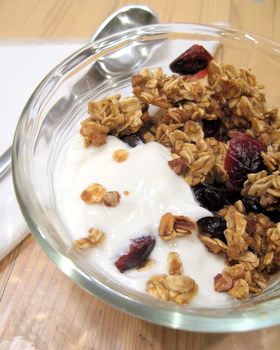
I've been on this yogurt craze for the past few weeks. In fact, this is what I had for breakfast:


I also made some blueberry yogurt drinks:


And am contemplating on making blueberry yogurt pecan ice cream:


Have I mentioned how thrilled I am that Wailana just posted her first "Wailana's Juice of the week" on her wordpress blog? I want to try her "Sweet Relaxation" with some yogurt in it. I'm sure it would be absolutely perfect!

Sunday, June 21, 2009

Father's day

Happy Father's day to all the great dads out there! :)

As the saying goes, it takes a lot more to be a "father" than just the biological sense.

If you still haven't gotten your dad a gift, take advantage of Wai Lana's Father's day sale and show your dad love, the healthy way ;)


I love you dad. Thanks for everything.